
Annaprashan Program
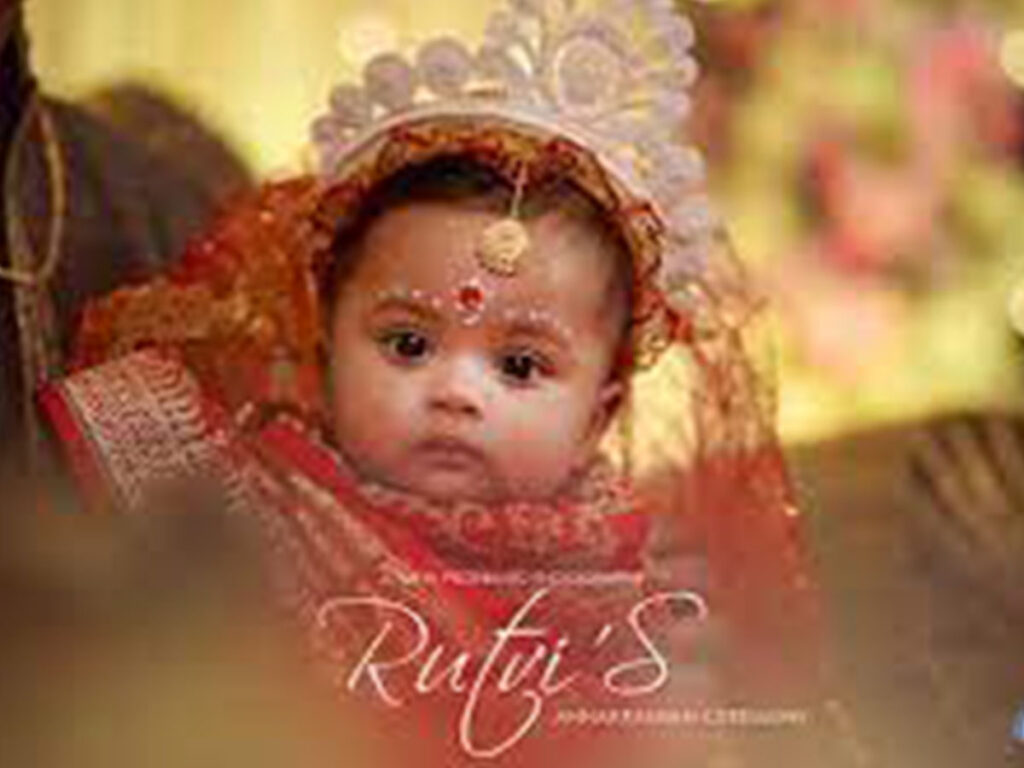
It’s commonly known as your baby’s first feeding or first rice-eating ceremony and called choroonu in Kerala, mukhe bhaat in Bengal and bhaatkhulai in the Garhwal hills.
A popular Hindu custom, Annaprashan marks the beginning of solid food in your baby’s life. Following this ritual, you can slowly start to introduce other weaning foods into your baby’s diet.
While the rites of the ceremony may differ according to the region, Annaprashan essentially celebrates your baby’s transition to solids.
Why is the Annaprashan celebrated?
Annaprashan is done when your baby is ready to make the transition from a liquid diet to solids. It can be performed anytime from six months until before the first birthday.Annaprashan is usually performed during the even months for boys, in the child’s sixth or the eighth month. For girls, it is usually performed during the odd months, in the child’s fifth or the seventh month.
How is the Annaprashan performed
The Annaprashan ceremony is performed on a specific day and time after consulting a priest. The baby is dressed in new clothes, often traditional ones such as a dhoti kurta or a lehenga choli.
Annaprashan begins with a puja or a havan for your baby's health and happiness, followed by the symbolic feeding of the prasad or the first bite of solid food. It is an occasion for celebration, and family and friends are invited to attend.
The religious ceremony is often followed by a fun game where a number of symbolic objects are placed on a banana leaf or silver tray which your baby can then pick up. The objects include
- Books symbolising learning
- Jewels symbolising wealth
- A pen symbolising wisdom
- Clay symbolising property
- Food items symbolising a love for food
- Poojas or Homams once booked can be postponed.
- All required materials to perform Poojas or Homam will be arranged from our side or can be arranged from your side
